






2026 Flash Update: The Rise of Agentic Commerce
The 2026 Flash Update shows how we evolved from basic “Chatting” to reach “Autonomous Execution” capabilities.
Since ChatGPT launched shopping features two years ago, we have developed tools that allow users to find products directly. The year 2026 sees the industry transition into Agentic Commerce. The existing e-commerce brands need to understand their current technical and strategic situation.
Autonomous Purchasing Agents: In 2026, AI doesn’t just “talk” about products; it executes the transaction. Consumers now use Personal Shopping Agents that carry secure payment tokens. These agents “scout” the web, negotiate bulk discounts, and handle the entire checkout flow through Headless API integrations, often without the user ever seeing your storefront.
The Rise of Semantic Product Graphs: To be “shoppable” by AI in 2026, your data cannot just be a flat list of attributes. Successful brands have transitioned to Semantic Graphs, allowing AI to understand context (e.g., “Is this material durable enough for high-altitude trekking?” rather than just “Material: Nylon” as a complete phrase.
Zero-Latency Inventory Sync: Because AI agents make decisions in milliseconds, 2026 e-commerce requires Real-Time Event Streams. The “In Stock” status requires instant verification because any delay will lead an AI agent to choose other stores resulting in immediate revenue loss.
Skillset Pivot: LLM-Ops & Integration Engineering: The most critical role in 2026 is no longer the traditional “web developer” but the Integration Engineer. These specialists focus on making your backend accessible to Large Action Models (LAMs) through secure, high-speed documentation and standardized API protocols.
Privacy-Centric Personalization: With the 2026 “Privacy First” standards, personalization now happens on the user’s device (Edge AI). Brands no longer “track” users; instead, they “broadcast” structured product intelligence that the user’s private AI agent then filters and presents to them locally.
OpenAI vs Google Shopping: What Sets It Apart?
Unlike traditional platforms like Google Shopping or Amazon, the ChatGPT shopping tool is:
- Ad-free: Products are shown based on quality and relevance, not paid placement.
- Conversational: You can ask follow-up questions, compare options, and refine preferences naturally.
- Personalized: Through ChatGPT’s memory feature, it remembers your past product interests and style choices.
This makes the experience feel more like a personal shopping assistant one that learns and improves over time.
A Direct Challenge to Google and Traditional Search Engines
OpenAI’s shopping tool mirrors the core functions of Google Shopping but without the ads. Instead of being driven by paid placements, results are organic, sourced from structured third-party metadata including pricing, descriptions, and reviews.
For now, that makes the feature an appealingly transparent alternative to ad-saturated e-commerce search.
Early adopters can explore products across key categories like electronics, fashion, beauty, and home goods.
With over a billion web searches conducted through ChatGPT last week, this shopping rollout represents a high-stakes expansion in how AI is integrated into everyday consumer behavior.
The Power of Personalization - Supercharged by Memory
Perhaps the most compelling element of this new shopping experience is its potential for personalization.
OpenAI is beginning to leverage its memory feature to make recommendations based on your prior conversations and preferences a radical shift from static, one-time search queries.
For Plus and Pro users, this could mean:
-
Recalling product types you’ve shown interest in
-
Comparing new items against previous purchases
-
Suggesting items that align with your style, sizing, or budget preferences
This “quiet concierge,” as some LinkedIn commentators have described it, might signal the end of endless tabs and decision fatigue.
What It Means for E-Commerce Brands & Marketers
The rollout of this feature changes the E-commerce landscape. Here’s how brands and e-commerce marketers must adapt:
-
Prioritize Structured Product Data
ChatGPT sources content from structured metadata, so your product descriptions, reviews, and images must be detailed, trustworthy, and up to date.
-
Focus on Brand Authority
Without paid placements, brand strength and domain authority are key to visibility in AI-driven product recommendations.
-
Optimize for Conversational SEO
Think beyond keywords. Your content must answer user questions in natural, conversational language just like how people talk to ChatGPT.
-
Rethink the Funnel: From Clicks to Conversations
Instead of fighting for clicks with ads, aim to earn trust through utility and credibility. This is the dawn of performance branding.
Tip: Make sure your product listings, blog content, and FAQs are easily digestible by AI and align with user intent.
What’s Next? From Product Discovery to Full AI Agents
The ChatGPT shopping feature is just the start. OpenAI’s long-term goal is to build AI agents that act on your behalf:
- Plan a trip and book flights
- Manage shopping lists and make purchases
- Suggest gifts based on your chats with friends or family
This shift from “search and click” to “ask and act” will redefine how we interact with digital services.
Conclusion
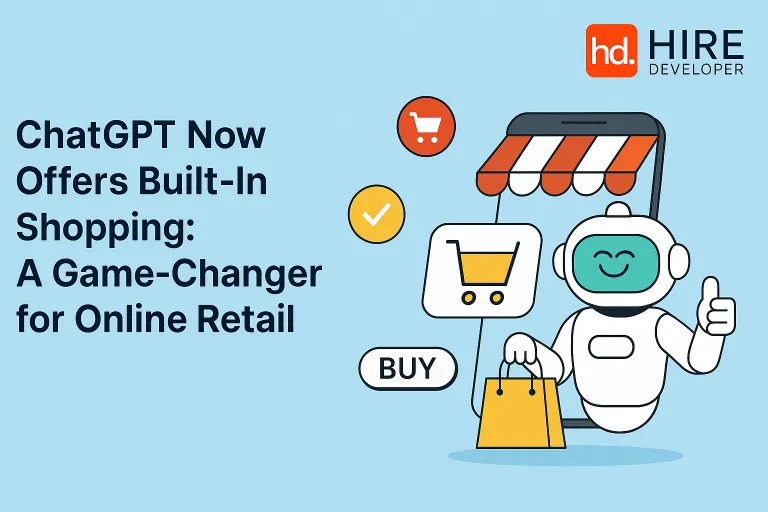
OpenAI’s ChatGPT shopping feature represents a radical leap forward in how we discover, compare, and buy products online.
For Consumers:
- Smarter, faster, more personalized shopping
- No ads, no noise, just relevant results
For Brands:
- Organic visibility matters more than ever
- Your content must be AI-readable and customer-focused
For Marketers:
- Shift from click funnels to conversational journeys
- Embrace SEO, branding, and UX as the new growth pillars