






Intro Must Read
Artificial intelligence is widely accessible through public APIs and SaaS platforms.
However, access to AI does not automatically create competitive advantage.
The real differentiator is not the model itself.
It is the data behind it.
Private AI models powered by proprietary data allow organizations to move beyond generic automation and build defensible, scalable intelligence systems.
This article explains:
• What private AI models are
• Why proprietary data in AI matters
• The performance ceiling of public AI
• Which industries should build private AI
• How to design a long-term AI data strategy
What Are Private AI Models?
In simple terms, a private AI model is an AI system that is owned and controlled by a company or organization and deployed in a secure environment to protect sensitive data. It is not publicly accessible and is often customized using internal company data.
what are private ai models? (short and crisp explanation)
• Are trained or fine-tuned using proprietary internal data
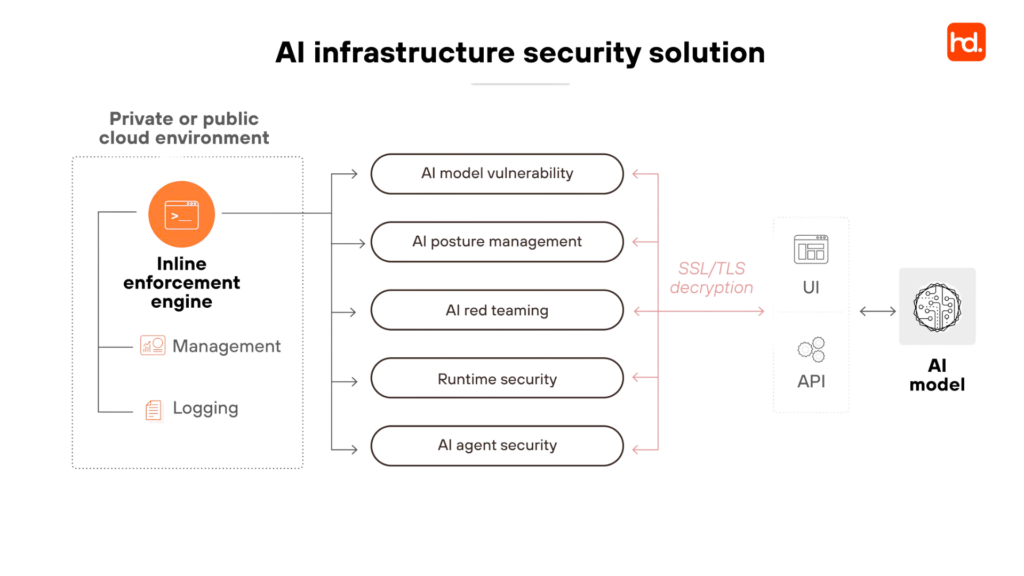
• Run on private cloud or controlled infrastructure
• Are not shared across public multi-tenant systems
• Are fully owned and governed by the organization
Unlike public AI services, private AI gives you control over:
- Model behavior
- Data pipelines
- Compliance architecture
- Long term cost structure
Private AI becomes an internal infrastructure rather than an external feature.
Proprietary Data in AI: The Real Competitive Moat
Proprietary data is the kind of data that is exclusive to a company and cannot be easily accessed by its competitors.
Examples of such data are:
- Internal business data
- Customer interaction data
- Industry-specific documents
- Past transaction logs
- Labeled domain-specific datasets
When these datasets are used to train or fine-tune AI models, the following benefits can be achieved:
- Predictions become context-aware
- Automation isin syncwith internal business processes
- Accuracy increases in your domain
- Your competitors cannot match your performance.
- Proprietary data transforms AI from generic to strategic.
Over time, this creates a competitive advantage.
Also Read: Normal Code Vs AI Vs Machine Learning: Difference Explained With Examples
The Performance Ceiling of Public AI
The “Performance Ceiling of Public AI” is the concept that public AI models (such as general-purpose chatbots and APIs) contain inherent constraints that preclude them from achieving optimal performance on particular businesses or use cases.
Public AI models are trained on general datasets. They are intended to perform adequately in most domains. However, general intelligence has its own limitations. Companies that solely depend on public will have:
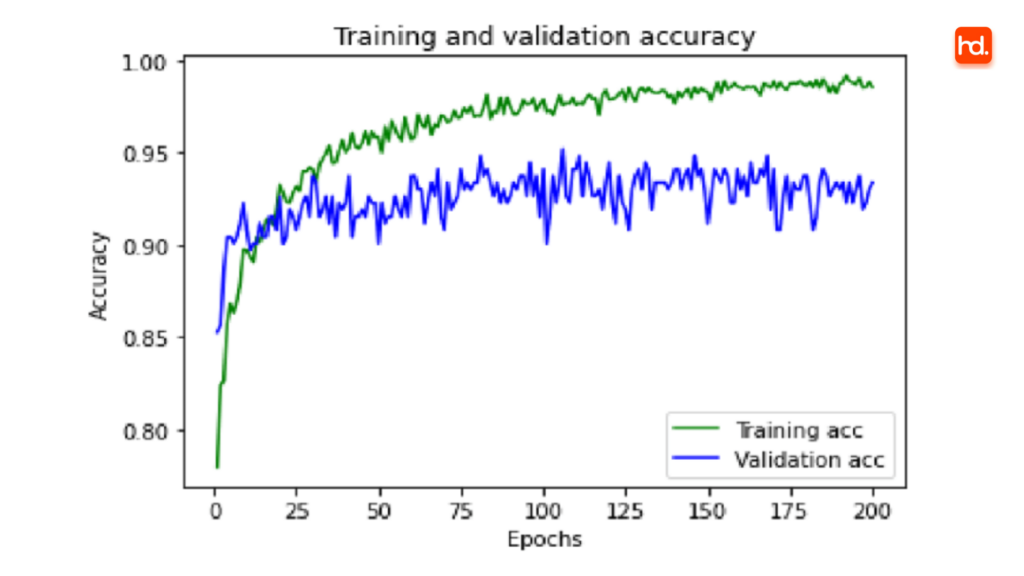
- Lack of domain specificity
- Similar results to competitors
- Limited customization options
- Vendors’ updates are necessary
If all companies use the same AI APIs, it becomes hard to differentiate. Proprietary data plays a pivotal role in this aspect.
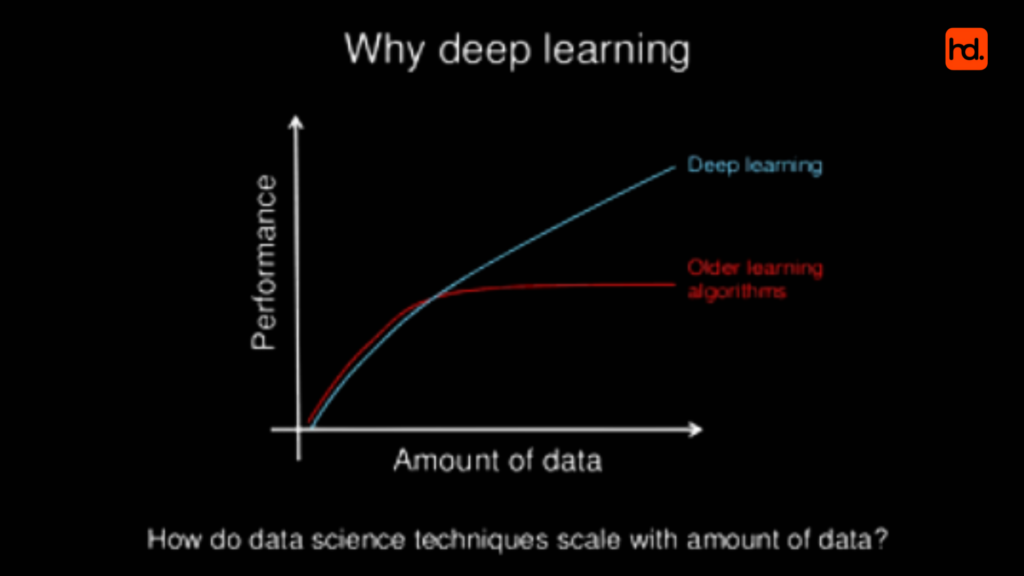
Running Out of Data: A Hidden Enterprise Risk
Many firms underestimate the limitations of their data. Some common issues include:
- Data that is scattered across multiple systems
- Lack of labeling
- Data quality issues
- Limited historical data
AI models need a constant stream of data to improve. If there are no structured data collection and management, AI models will not improve. A good AI data strategy will involve:
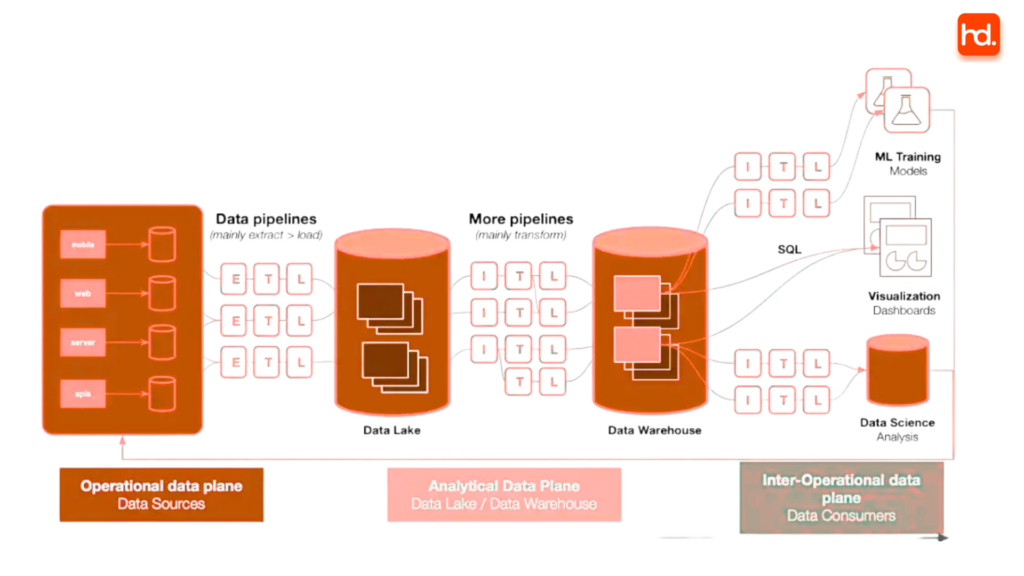
- A centralized data architecture
- Continuous labeling processes
- Secure data storage and management
- Retraining pipelines and monitoring
The success of AI has more to do with data maturity than model choice.
Who Should Build Private AI Models
Private AI models are most useful when:
- AI is directly driving revenue
- Sensitive customer data is being processed
- Compliance requirements are strict
- Custom business logic isrequired
- Scalability over a long term is important
If AI is at the heart of your product or business, you might find that relying solely on public AI limits your potential for growth.
Industries That Need Private AI
Healthcare
The regulation of patient data necessitates a secure infrastructure for AI.
Financial Services
The sensitivity of transaction data necessitates complete control.
Legal and Consulting Firms
The need to protect confidential documents necessitates private processing.
Enterprise SaaS
The integration of AI into core products necessitates ownership and differentiation.
Government and Defense
Security and sovereignty necessitate private AI
When Public AI Is Sufficient
Public AI is sufficient in the following situations:
- AI is a secondary functionality
- Data sensitivity is low
- Fast experimentation is required
- Budget constraints limit infrastructure costs
- Market validation is the primary goal
Most companies begin with public AI before moving to private AI.
How to Build Private AI Models?
Building private AI involves structured execution.
1. Define Strategic Use Cases
Focus on areas where AI creates measurable value.
2 Audit Proprietary Data
Assess uniqueness, quality, and accessibility.
3 Design Secure Infrastructure
Select private cloud, premise or hybrid models.
4 Fine Tune Models
Use foundation models and adapt them with internal datasets.
5 Implement Monitoring
Establish feedback loops and continuous retraining.
Private AI is not just model development.
It is long term data and infrastructure strategy.
Strategic Insight
- Public AI provides access.
- Private AI builds ownership.
- Proprietary data determines whether your AI system is generic or defensible.
- Organizations that treat AI as infrastructure rather than a feature create sustainable competitive advantages.
Build Private AI Infrastructure with HireDeveloper.dev
Private AI requires more than technical execution. It requires strategic planning, data architecture, and governance expertise.
HireDeveloper.dev helps organizations:
-
-
- Develop AI data strategy
- Assess AI maturity
- Create secure private AI models
- Execute scalable infrastructure
- Minimize reliance on public AI services
-
If your organization is considering the adoption of private AI, reach out to HireDeveloper.dev to create systems around your data advantage.